
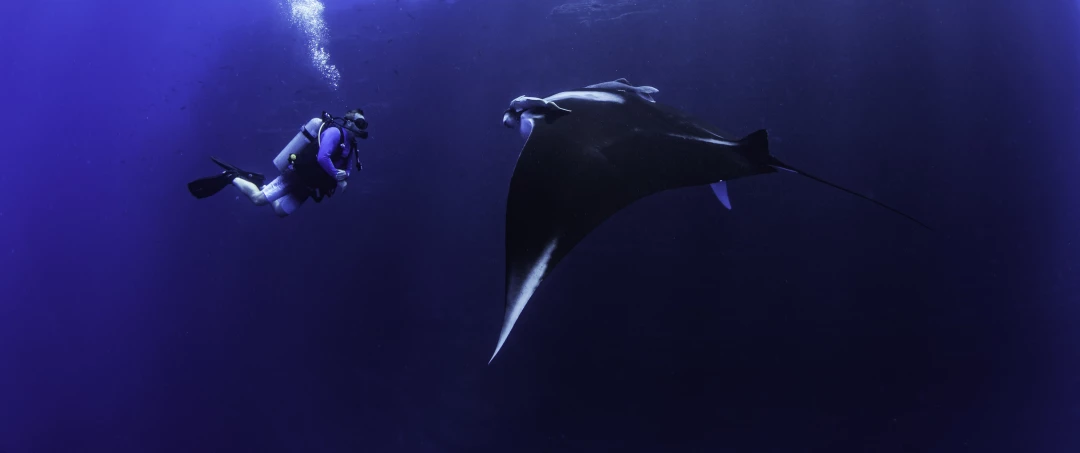
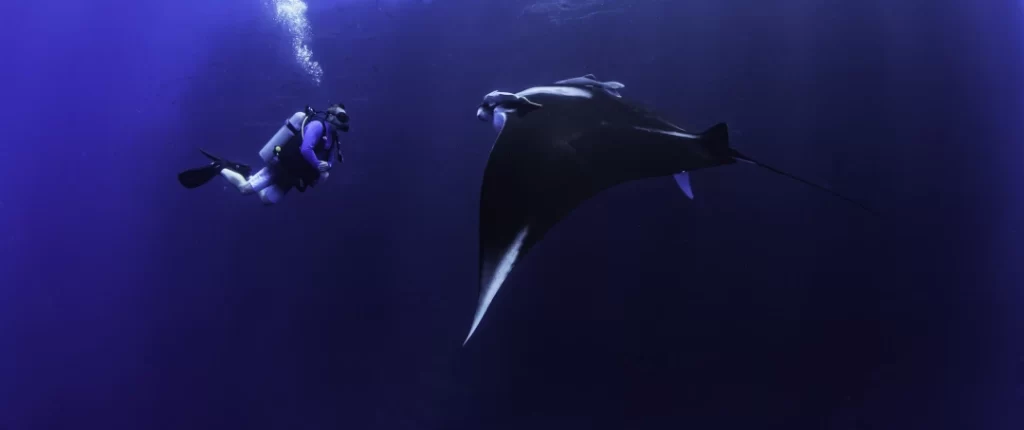
An Essential Specialty for Every Diver
Diving with Nitrox
As a certified diver, you may have had to end a dive after reaching your No-Decompression Limit (NDL) while still having plenty of gas left. The PADI Enriched Air (Nitrox) specialty helps you optimize your dives by using enriched air with a higher oxygen content.
Because Nitrox contains a higher percentage of oxygen and less nitrogen than regular air, your body absorbs less nitrogen during the dive.
Nitrox can extend your no-decompression limits and shorten surface intervals for certain recreational dive profiles, always within the established depth and oxygen exposure limits.
advanced Oceanographic conditions La Paz
Mar de Cortés is a dynamic and diverse marine environment, where more bottom time means getting the most out of every dive.
Visibility and Temperature
Diving in La Paz means adapting to distinct seasonal changes. Water temperatures range from 19–22°C in winter and rise to 25–30°C in summer. Proper thermal protection ensures comfort throughout the dive, while bottom time depends on factors such as depth, dive profile, and the breathing gas used.
| Season | Period | Water Temp | Suggested Exposure Suit |
| Winter | December – February | 19–22 °C (66–72 °F) | Full 5mm wetsuit |
| Spring | March – May | 20–24 °C (68–75 °F) | 3mm to 5mm wetsuit |
| Summer | June – September | 25–30 °C (77–86 °F) | 3mm wetsuit or shorty |
| Autumn / Fall | October – November | 24–29 °C (75–84 °F) | 3mm wetsuit or rashguard |
Site Dynamics & Nitrox Advantage: On dives between 18 and 30 meters, using EANx can extend your no-decompression limits compared with air, allowing you to make better use of your bottom time while staying within the limits established for each gas mix.
At sites such as El Bajo, and wrecks including El Salvatierra, C-59, and Fang Ming, this advantage can be especially useful, helping you get more out of your dive time and enjoy the surroundings without exceeding exposure limits.
Nitrox Training
This course dives into the theory behind Nitrox and how to properly plan and manage a Nitrox dive, including oxygen exposure and the correct use of Nitrox-specific equipment.
Gas Analysis: You will learn how to personally analyze the oxygen content of each cylinder before the dive and correctly record the mix being used. The O₂ percentage in your EANx mix will typically range from 32% to 36%.
Dive Computer: You will set your dive computer to the analyzed mix so it can calculate your No-Decompression Limits (NDL) and monitor oxygen exposure throughout the dive.
Nitrox Cylinders & Procedures: You will learn the correct procedures for identifying and labeling cylinders, as well as how to calculate the Maximum Operating Depth (MOD) for each gas mix.
It does not involve developing new in-water skills.
Certification Itinerary
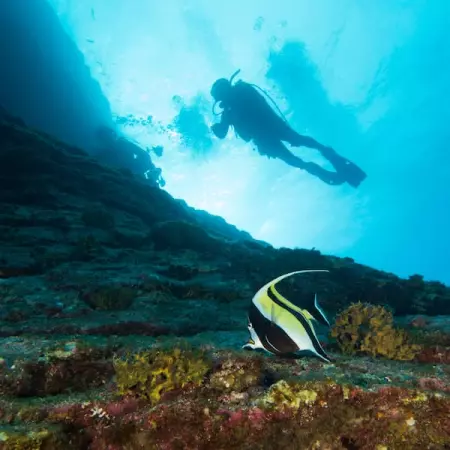
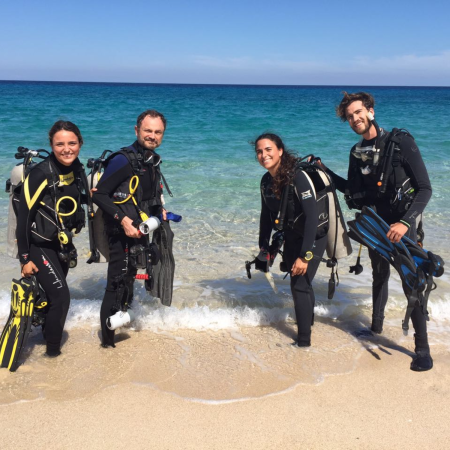
Designed to fit easily into any diving program, this specialty can be completed in 1 day and combines theory with hands-on application.
Theory Training (eLearning): Study the fundamentals of Nitrox at your own pace, including partial pressures, oxygen exposure, and Maximum Operating Depth (MOD).
Practical Application: Our Instructor will guide and teach you how to analyze the gas mix, properly log your EANx blend, and set your dive computer according to the oxygen concentration.
Training Dives: You will complete 2 open-water dives, applying what you have learned to plan and manage the dives while monitoring your profile, MOD, and oxygen exposure throughout each dive.
You must hold a PADI Open Water Diver certification and be at least 12 years old.
Nitrox Diver: Dive Sites Map (La Paz)
Interactive guide to dive sites where Enriched Air (Nitrox) is highly recommended to extend your no-decompression limits.
El Bajo Seamounts
An open ocean seamount system. Nitrox is ideal here to maximize your bottom time while waiting for pelagic species like schooling hammerheads in deeper waters.
El Salvatierra Wreck
A 1976 shipwreck functioning as a massive artificial reef. Enriched air allows you to spend precious extra minutes exploring the wreck structure without entering decompression.
Fang Ming Wreck
A 54-meter long sunken ship. Utilizing EANx provides a significant advantage for safely extending your exploration time around this deep artificial reef.
C-59 Wreck
Another fascinating artificial reef where standard air severely limits bottom time. Nitrox is highly recommended to fully enjoy the resident marine life.
Los Islotes
An emblematic site with a California sea lion colony. Diving this site with Nitrox during repetitive dive days helps reduce overall fatigue.
San Rafaelito Islet
A tranquil rocky islet. Even at shallower depths, using Nitrox on repetitive dives here drastically extends your NDL and reduces nitrogen absorption.
Swanne Reef
A rocky reef located in the San Lorenzo Channel. Excellent for maximizing observation time of Cortez angelfish and damselfish using enriched air.
Muelle Fiscal (Departure Point)
Official check-in at 09:00 AM. Here, before boarding, you will practice analyzing the oxygen content of your own cylinder and setting up your dive computer.
Included
Scuba equipment.
E-learning materials.
Not Included
Alcoholic drinks.
You must bring
Ecofriendly sunscreen.
Bathing suit.
Biodiversity Profiles
In La Paz, every extra minute at depth matters. Nitrox transforms the way you experience the marine environment by giving you the gift of time:
Local expertise and the MTA Difference
Mexico Travel Adventure (MTA) believes your first dive should be much more than just an introduction. Our PADI Instructors are not only active diving professionals, but also marine biologists and naturalists with a passion for conservation.
Safety Policy: We operate with a maximum of 6 people per trip, ensuring personalized attention, continuous supervision, and greater respect for the marine environment.
FAQ´s
If you have any questions hopefully we can answer them below, if not please feel free to contact us.
Do I need an Advanced Open Water certification to take this course?
No, it is not required. You only need to hold a PADI Open Water Diver certification and be at least 12 years old.
Is there a minimum number of logged dives required?
No. According to PADI standards, there is no minimum number of logged dives required to begin this specialty.
Do I need any special equipment?
Yes. A Nitrox-compatible dive computer (EANx) is required to calculate your no-decompression limits and monitor your oxygen exposure.