Jacques Cousteau famously dubbed this vibrant body of water the “Aquarium of the World,” and for good reason. Today, planning cortez expeditions puts you front and center with some of the most dynamic marine life on the entire planet. However, this is not just a standard, calm tropical sea. The Gulf of California represents a truly unique geological anomaly.
Here, plunging, deep oceanic trenches collide with shallow, sunlit coastal shelves. Consequently, this dramatic shift in underwater topography creates powerful upwellings of cold, nutrient-dense water from the deep abyss. These fierce oceanic currents fuel an incredible concentration of massive biodiversity that few places on earth can rival.
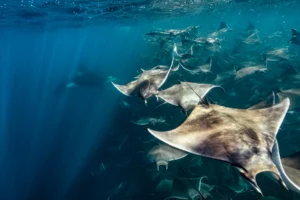
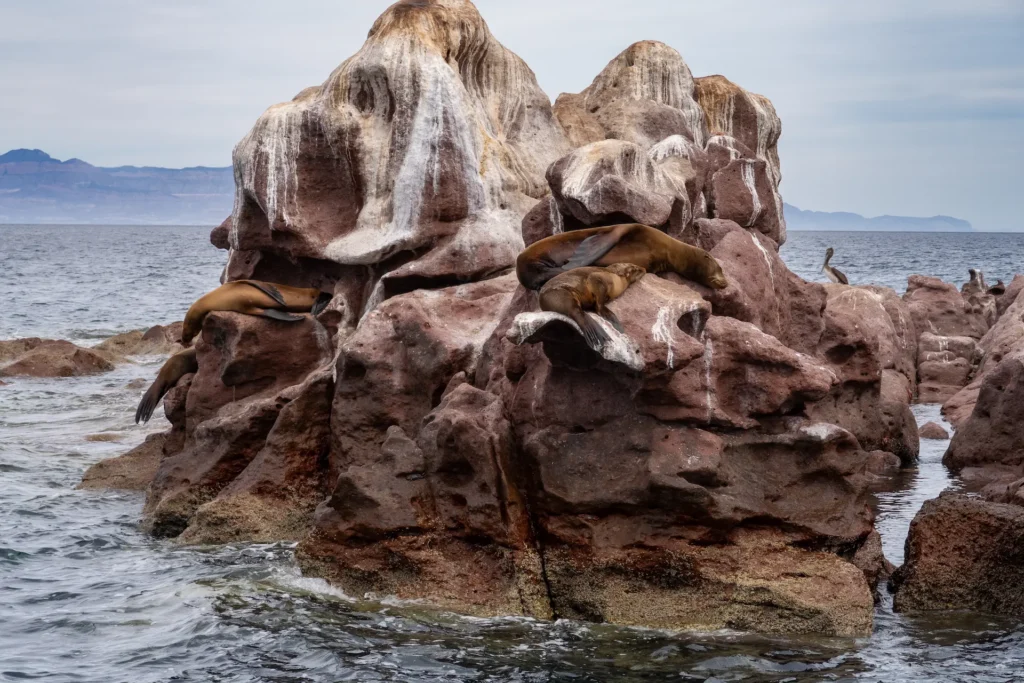
When you explore these waters, you are entering a thriving, high-energy ecosystem. You will find yourself observing migrating whales from the boat, swimming above fevers of mobula rays, and encountering playful colonies of sea lions. Accessing these pristine waters, however, requires much more than just booking a random ticket. You need a solid game plan to ensure your ocean safari is both safe and spectacular. Out here on the open ocean, unpredictable wind conditions and highly mobile wildlife demand professional, dialed-in logistics.
Why La Paz is Your Ultimate Basecamp
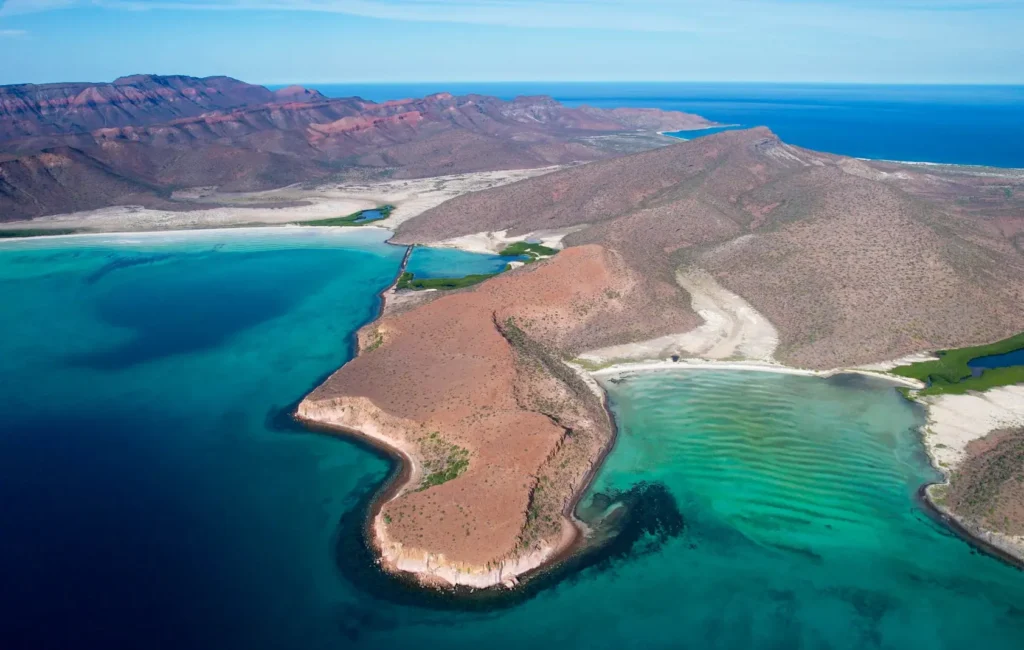
If you are wondering where to base your upcoming adventure, look no further than La Paz. Situated right on the sheltered eastern coast of the peninsula, this quiet, authentic coastal city serves as the absolute best launching pad for marine exploration. Consequently, La Paz offers direct, rapid access to highly protected marine reserves. These include the famous Espiritu Santo Archipelago National Park and the wildlife-rich Cerralvo channel.
Meanwhile, other popular tourist towns located further south force you into long, exhausting transit times just to reach the prime wildlife zones. Therefore, starting your Baja California Sur eco-tours right from the source saves hours of unnecessary, bumpy travel. This strategic location maximizes your actual time in the water with the animals. Ultimately, minimizing your time burning fuel in open transit translates directly into more breathtaking encounters with the wildlife you traveled so far to see.
The Logistics of a Typical Expedition Day
So, what does a real day out on the water actually look like? First and foremost, genuine ocean safaris start early. Your captain will typically have you loading onto the boat shortly after sunrise. Early departures are absolutely critical for two main reasons. First, early morning departures generally provide more favorable weather windows, making spotting wildlife much easier. Furthermore, marine predators and baitballs are highly active during these early dawn feeding windows.
Once you clear the marina and hit the open water, the hunt begins. You will spend a significant amount of time actively scanning the horizon. You are looking for distant blowholes, splashing mobula rays, or feeding bird flocks that indicate underwater action. This is a highly collaborative effort between the captain, the guide, and the guests on board. When the crew finally spots action, they will strategically position the boat ahead of the animal’s path, cutting the engines so the wildlife comes to you.
After an intense, adrenaline-filled session in the water, you will experience what divers call surface intervals. During these mandatory breaks, you climb back aboard to warm up your core, rehydrate, and eat snacks while the captain tracks the next wildlife movement. These pauses are absolutely essential for maintaining your energy levels. Eventually, as the afternoon winds inevitably pick up and the surface swell increases, the crew will safely navigate the vessel back to port.
The “Cattle Boat” vs. Panga Difference
Choosing the right outfitter drastically changes your entire experience out on the water. Unfortunately, many travelers fall into the trap of booking massive, overcrowded “cattle boats.” These large catamarans or dual-deck cruisers often pack up to forty or fifty people together on a single trip. While they might offer comfortable lounge chairs and an open bar, they completely ruin the raw wildlife experience.
First, these massive vessels sit incredibly high off the water. This means you are constantly looking down at the ocean from a distance rather than experiencing it intimately at eye level. Second, when a pod of fast-moving dolphins suddenly appears, loading forty people into the water safely takes far too long. By the time the last person finally jumps off the swim step, the wildlife has almost always vanished into the blue.
Furthermore, large boats carry heavy, booming acoustic footprints that often scare away sensitive animals before you even get close. Additionally, their deep drafts restrict them exclusively to main shipping channels, preventing them from exploring shallow, hidden coves.
Instead, you must look for operators that prioritize small, intimate encounters over sheer volume. To truly experience the magic of the ocean, browsing our curated selection of specialized trips is the best place to start.
Small-group Sea of Cortez tours utilize agile boats that allow your captain to adjust the daily route instantly based on real-time animal behavior. When you ride in a specialized craft, your small group can slide into the water silently in mere seconds.
The Vessel & Logistics: Engineered for the Ocean
When reviewing your tour options, always ask specific questions about the actual boats used for the trip. Serious marine guides almost exclusively use specialized pangas designed specifically for quick, agile movements in coastal swells. These rugged, open-air vessels sit much lower to the water, giving you an unmatched, immediate connection to the marine environment.
For our operations, MTA utilizes a specialized fleet engineered for this exact purpose.
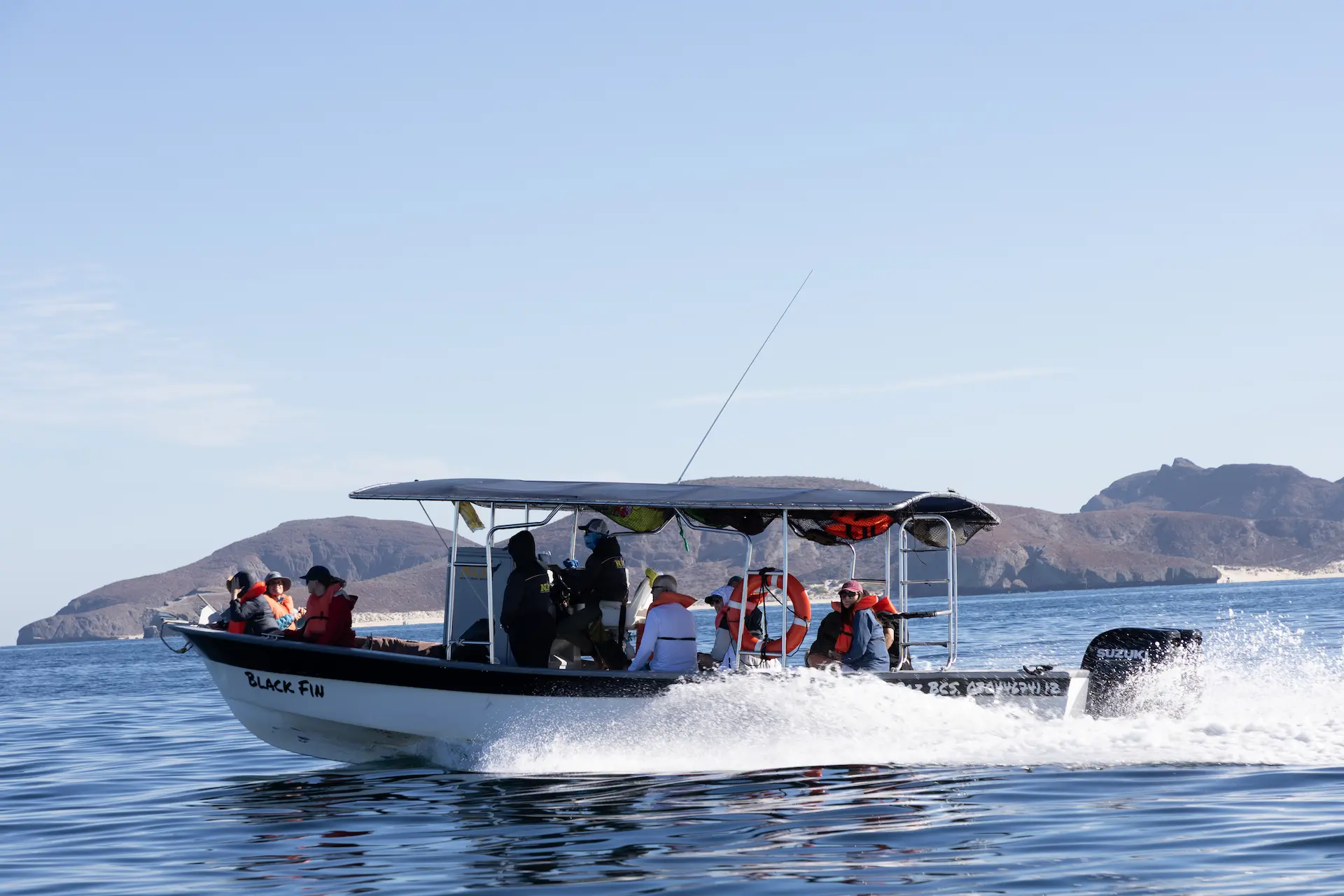
Our panga Kalal is a 25-foot vessel powered by a 175 hp motor, while our Black Fin is a 28-foot panga equipped with twin 140 hp motors.
While boats of this size and power possess a higher theoretical maximum capacity, we strictly limit the passenger count on every single departure. This ratio guarantees exceptional onboard comfort, ensures ample space for your gear, and allows everyone to deploy into the water instantly without crowding.
If you want to ensure your group gets the most comfortable ride possible without sacrificing speed or maneuverability, booking a tailored marine itinerary keeps the passenger count strictly limited.
Weather and Seasonality: Timing Your Trip
Timing your trip correctly is just as important as choosing the right boat. The marine ecosystem here shifts dramatically throughout the year. Therefore, you must align your travel dates specifically with the types of wildlife you desperately want to encounter.
If your primary goal is observing the majestic whales that visit Baja, you should plan to visit during the winter months, specifically between late January and March. During this busy time, gray, blue, and humpback whales migrate down from the freezing Arctic. However, you must prepare for the conditions; proper thermal gear is essential, and the northern winds can be brisk on a fast-moving boat.
Conversely, if you prefer warmer water and crystal-clear visibility, late summer and early fall are your absolute best options. From September to November, the sea often turns flat, glassy, and deeply blue, offering breathtaking underwater visibility. This is the prime season for warm-water ocean safaris and swimming closely with playful sea lion pups. Understanding these distinct seasonal rhythms ensures you set the right expectations before you ever pack your bags.
Premium Gear & Safety Protocol
Beyond the boat and the season, your personal equipment dictates exactly how long you can comfortably stay in the water. Sea temperatures fluctuate wildly here, shifting by several degrees depending on the specific coastal currents and thermoclines. Therefore, using premium Cressi equipment is absolutely non-negotiable for serious La Paz boat expeditions.
High-quality Cressi wetsuits provide the exact buoyancy and core warmth you need to handle long, multi-hour sessions floating with marine wildlife. Conversely, poorly fitted, generic rental gear will leave you shivering, miserable, and ready to head back to the dock hours early.
Moreover, thermal protection is only the very beginning. You also need a perfectly fitted, low-volume mask that will not flood or fog up, which ruins your visibility right as a whale shark swims by. Likewise, you must use powerful, specialized fins. Out in the open ocean, you will often find yourself swimming against sudden, strong tidal currents. Weak, flimsy snorkeling fins simply cannot provide the necessary thrust, and they often cause severe foot blisters.
Finally, an elite operator will always provide high-visibility surface marker buoys and comprehensive safety briefings. This ensures that the captain and crew can easily track your exact location in the rolling open-ocean swells. Equipping yourself properly means you stay entirely focused on the wildlife, rather than struggling with inadequate gear.
Choosing the right vessel and crew can make or break your Sea of Cortez expedition. Skip the crowded tourist boats and explore our intimate, small-group ocean safaris to experience the raw magic of Baja the right way.